Health and Safety Policy for Cleaners Streatham
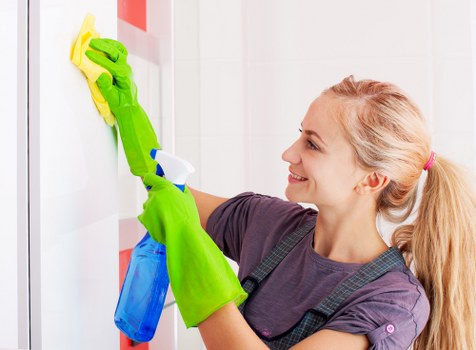 This Health and Safety Policy sets out the standards expected from cleaners in Streatham and from everyone involved in delivering a safe, professional cleaning service. It is designed to reduce risks, protect health, and ensure that all cleaning tasks are completed responsibly. Our approach is based on prevention, clear communication, and safe working practices in every environment.
The policy applies to all routine and specialist cleaning activities carried out in homes, offices, communal areas, and other managed spaces. Whether work is undertaken by a small team or by an individual cleaner, the same principles apply: identify hazards, control risks, and maintain safe working conditions. Every cleaner must follow procedures carefully and report concerns promptly.
We expect all staff to understand the importance of hygiene, safe use of equipment, and respectful conduct while working. The aim is to protect cleaners, clients, visitors, and anyone else who may be affected by cleaning operations. This includes paying attention to slip hazards, chemical exposure, manual handling, and the safe storage of materials.
Before any task begins, cleaners should assess the work area for obvious dangers. Floors may be wet, surfaces may be fragile, and cleaning products may create risks if handled incorrectly. A simple visual check helps prevent accidents and allows the cleaner to decide whether a task can proceed safely or whether support is needed.
Safe equipment use is essential. All tools, machines, and accessories should be checked before use and kept in good condition. Damaged cables, broken mop handles, unstable ladders, or faulty machines must not be used. If a piece of equipment appears unsafe, it should be taken out of service and reported immediately.
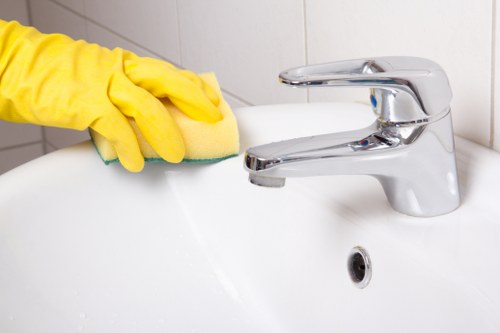 Cleaning chemicals must be stored, diluted, and applied in line with product instructions. Wherever possible, safer alternatives should be used to reduce exposure. Cleaners should avoid mixing products, particularly those containing bleach or ammonia, because dangerous fumes can result. Gloves, where appropriate, should be worn to protect skin from irritation and chemical contact.
Manual handling is another key area of control. Lifting heavy bins, moving furniture, or carrying full containers can lead to strains and injuries. Cleaners should use proper lifting techniques, keep loads manageable, and ask for assistance when a task is too heavy or awkward. If mechanical aids are available, they should be used correctly.
Personal protective equipment may be required depending on the task and environment. This may include gloves, aprons, eye protection, face coverings, or slip-resistant footwear. PPE must be worn when needed, maintained properly, and replaced when worn or damaged. It is not a substitute for safe working methods, but it provides valuable added protection.
 Hygiene and infection control are central to the policy. Cleaners should wash hands regularly, especially after handling waste, touching contaminated surfaces, or using chemicals. Any waste should be separated and disposed of responsibly. Spills, bodily fluids, and contaminated materials require careful handling to prevent cross-contamination and exposure.
Fire safety and emergency awareness are also part of good housekeeping. Cleaners should keep escape routes clear, avoid blocking exits with equipment, and never interfere with alarm systems or emergency signage. If an alarm sounds or an evacuation is instructed, work must stop immediately and the area should be left safely.
Where cleaning is carried out in occupied premises, communication and consideration are important. Cleaners should inform others when floors are wet, where equipment is being used, and when areas are temporarily inaccessible. Signs, barriers, or verbal warnings help reduce the risk of slips, trips, and unexpected contact with cleaning materials.
All staff are responsible for reporting accidents, near misses, unsafe conditions, and ill health concerns as soon as possible. Prompt reporting helps prevent repeat incidents and supports timely corrective action. Managers or supervisors should review reports carefully, identify trends, and update controls where needed to strengthen safe practice.
 Training is a vital part of this policy. Cleaners must be given the knowledge and instruction needed to carry out their duties safely. This includes understanding product labels, safe operating procedures, emergency response actions, and the correct use of equipment. Training should be refreshed when tasks change or new risks are introduced.
Health monitoring should be considered where work conditions may affect wellbeing over time. Repeated bending, kneeling, repetitive motions, or exposure to dust and cleaning agents can create longer-term issues. Cleaners should be encouraged to speak up early if they experience pain, irritation, breathing difficulties, or other symptoms linked to work.
We also recognise the importance of a respectful and professional workplace. Fatigue, stress, and poor working conditions can increase the likelihood of mistakes and accidents. Reasonable workloads, appropriate breaks, and clear task planning all contribute to a safer environment for every Streatham cleaning team.
The policy is reviewed regularly to ensure it remains effective and suitable for the work being undertaken. Changes in equipment, cleaning methods, materials, or work environments should trigger an update. Review outcomes should be shared with staff so that improvements can be understood and applied consistently.
Compliance with this policy is mandatory for all personnel involved in cleaning operations. Safe performance is not optional; it is a core part of delivering reliable services. By following these standards, Streatham cleaners help create clean, healthy, and secure spaces while reducing unnecessary risk to themselves and others.
 In summary, this Health and Safety Policy is built on awareness, care, and responsible action. Every cleaner has a role in maintaining safe practices, from using products correctly to reporting hazards without delay. Through consistent attention to safety, cleaners in Streatham can carry out their work effectively while protecting wellbeing at all times.