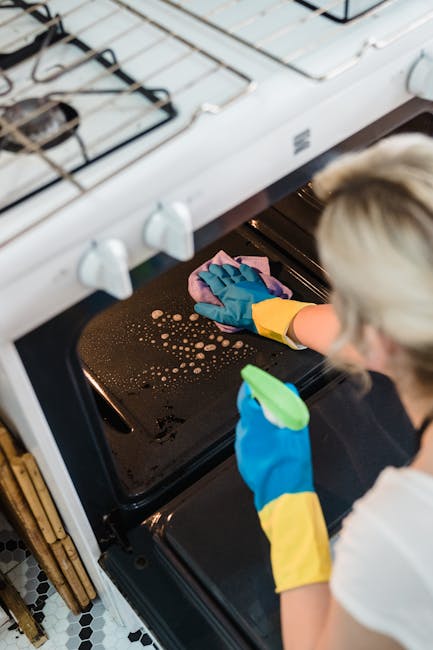
Oven cleaning for Streatham Park residents SW16
If you live in Streatham Park and your oven has started to look more "well-used" than well-kept, you are definitely not alone. Sticky trays, dark glass, burnt-on grease, that lingering smell after Sunday roast - it creeps up on people. This guide to Oven cleaning for Streatham Park residents SW16 explains what professional oven cleaning involves, why it matters, how the process works, and what to look for if you are comparing options locally.
Truth be told, oven cleaning is one of those jobs most people mean to do properly and then postpone for far too long. The result is usually the same: more smoke, more effort, less appetite for the whole thing. Here, you will find a clear, practical breakdown so you can decide whether to tackle it yourself or bring in help, and what a good result should actually look like.
Why Oven cleaning for Streatham Park residents SW16 Matters
An oven does not usually become filthy overnight. It happens gradually: a little spill from a lasagne, a few drops of fat from chicken, crumbs at the bottom, then one day you open the door and think, "Right. That needs sorting." In a busy home, that kind of build-up can quietly affect how the oven performs and how the kitchen feels day to day.
For Streatham Park residents, there is also the practical side of local living. Many homes in SW16 have compact kitchens, shared ventilation challenges, or ovens that work hard because cooking at home is the norm. When an oven is dirty, heat distribution can feel uneven, smoke can become more noticeable, and the whole kitchen can take on a stale smell. That is especially annoying in a small flat or family kitchen where the cooking space is also the social space.
And yes, the look of the thing matters too. A clean oven is one of those small domestic details that makes the whole room feel calmer. It is not glamorous. But it does make a difference.
Key point: regular oven cleaning is about more than appearances. It supports better cooking, reduces unpleasant odours, and helps keep a kitchen more pleasant to use.
How Oven cleaning for Streatham Park residents SW16 Works
Professional oven cleaning is usually a careful, methodical process rather than a quick wipe-down. The aim is to remove baked-on grease, carbon deposits, and food residue from the interior surfaces, racks, door glass, fan area where accessible, and detachable parts. The exact process varies slightly by oven type, but the general approach is similar.
Typically, the cleaner will inspect the oven first. That matters more than people think. Different ovens need different handling: electric, gas, single, double, range-style, or integrated units all have their quirks. A decent clean should be tailored to the appliance, not rushed through with the same approach every time.
In a typical visit, the removable parts are taken out and cleaned separately, and the interior is treated with products designed to loosen grease without damaging surfaces. Some cleaning methods use low-odour solutions; others rely more heavily on degreasing and careful scraping where appropriate. The best method depends on the condition of the oven and the materials involved.
Once the build-up has been loosened, the residue is lifted away and the oven is reassembled, polished, and checked over. You should end up with doors that are clearer, surfaces that are visibly cleaner, and an oven that no longer looks embarrassed to be opened. Slightly dramatic, maybe. But you know the feeling.
A quick note on what a good clean is not
A proper oven clean is not just a scented wipe-over or a masked shine. If grease is still stuck around the seals, on the rails, or in the corners of the glass, it is not really done. A good result is detailed, even if the oven is not brand new-looking.
Key Benefits and Practical Advantages
There are a few reasons people in Streatham Park book oven cleaning, and none of them are frivolous. Some are obvious, others only become obvious after the clean has happened.
- Better cooking performance: Built-up grease and debris can interfere with how evenly an oven heats, especially if the unit is already working hard.
- Less smoke and smell: Burnt residue is often the reason for that unpleasant smoky smell when the oven is preheating.
- Improved kitchen hygiene: Food residue can attract dirt and make the cooking area feel less sanitary, even when the rest of the kitchen is tidy.
- Longer appliance life: Regular care helps reduce the stress caused by heavy build-up, which can help preserve the condition of the appliance.
- Better presentation: If you are moving out, hosting guests, or preparing a rental property, a clean oven makes a surprisingly strong impression.
There is also a psychological benefit that people tend to underestimate. A clean oven just makes cooking feel less annoying. You open the door and feel okay about using it. That alone can be worth it.
For households juggling work, school runs, and the usual London pace, the time saved is another big plus. Instead of spending your evening scraping char off a tray with questionable patience, you can focus on something better. Like dinner. Or doing nothing. Which, to be fair, is sometimes the best plan.
Who This Is For and When It Makes Sense
Oven cleaning is not just for people with "impossibly tidy" homes. In fact, it is often most useful for normal households where cooking happens a lot and cleaning gets pushed down the list. If that sounds familiar, this section is probably for you.
This service tends to make sense if:
- your oven smokes when it heats up;
- the glass door has gone dull or brownish inside;
- there is visible fat, carbon, or baked-on residue;
- you are moving in or moving out of a property;
- you are preparing a home for guests, tenants, or a sale;
- you use the oven often and want it maintained properly;
- you simply do not want to deal with a deep clean yourself.
It is also worth considering after periods of heavier cooking, such as holiday meals, family gatherings, or when you have been batch cooking more than usual. A small amount of residue can become stubborn surprisingly fast. One Sunday roast and a few forgotten splashes later, the job becomes twice as irritating.
For landlords, tenants, and homeowners in SW16, the timing can matter for another reason: a clean oven can help keep the kitchen presentable during inspections, check-ins, or changeovers. That does not mean perfection is required every time, but a heavily soiled oven rarely helps anyone.
Step-by-Step Guidance
If you are planning to clean the oven yourself, or just want to understand what a professional service should include, here is the general step-by-step flow. It is simple in principle, though not always simple in practice.
- Switch off and cool the appliance completely. Never start while the oven is warm. It is messy at best and unsafe at worst.
- Remove racks, trays, and loose accessories. These should be cleaned separately so the interior can be reached properly.
- Inspect the oven interior. Look at the seals, fan area, door glass, corners, and any obvious hot spots where grease has collected.
- Apply the appropriate cleaning method. This may involve a degreasing solution, soaking, or a specialist cleaning process depending on the condition of the oven.
- Loosen residue carefully. Stubborn carbon may need gentle scraping with the right tool, not force.
- Wipe and remove debris. The aim is to remove all loosened grime without spreading it around the appliance.
- Clean the glass and exterior touch points. Handles, dials, and the oven door are easy to forget, but they matter.
- Reassemble and test visually. Make sure all parts are dry, fitted correctly, and that nothing has been missed.
A small but useful tip: keep a cloth nearby for the mess you can see forming as you work. It sounds basic, but it stops residue from being dragged back across surfaces. Little things like that save time.
If your oven has a self-cleaning function, read the manufacturer guidance before using it. Those functions can be handy, but they are not always ideal for every situation, especially if there is heavy build-up or you are dealing with a particular model finish.
Expert Tips for Better Results
In our experience, the difference between an okay clean and a genuinely satisfying one usually comes down to patience and detail. Not bravado. Not aggressive scrubbing. Patience.
Here are a few practical tips that make a real difference:
- Deal with build-up before it hardens further: Fresh splashes are easier to remove than old, baked-on residue. If you notice a spill, remove it once the oven has cooled.
- Do not flood the appliance: Too much liquid can seep into areas that are not meant to be soaked.
- Pay attention to seals and edges: These are often the spots people miss, and they can hold onto grease stubbornly.
- Clean trays separately: Trying to do everything at once usually leads to a half-finished result.
- Ventilate the kitchen: Even mild cleaning products are easier to work with if the room has some airflow.
- Use the right cloths: Microfibre works well for finishing because it lifts residue without leaving lint behind.
Here is one thing people often overlook: the outside of the oven matters almost as much as the inside. Finger marks, control panel smudges, and greasy handles make the appliance look tired even if the cavity is spotless. Small detail, big visual effect.
And if you are doing a deep clean before a property handover, take a moment to check the oven light and racks too. It sounds obvious, but these are the little bits that get noticed. Always.
Common Mistakes to Avoid
Oven cleaning can go wrong in a few predictable ways. None of them are dramatic on their own, but they can easily turn a simple job into a frustrating one.
- Using abrasive tools on delicate surfaces: Scratching the glass or enamel can create a permanent mark.
- Leaving cleaning residue behind: Residue can affect the smell of the oven the next time it is used.
- Ignoring removable parts: If trays and racks are left dirty, the oven still feels grimy overall.
- Cleaning around heat only: Wiping what is visible while skipping the corners rarely gives a proper result.
- Forgetting safety precautions: Hot surfaces, harsh products, and poor ventilation are not a great mix.
- Using the oven too soon: Let everything dry and settle before switching it back on.
One slightly funny thing about oven cleaning is that people sometimes spend longer thinking about doing it than the job would actually take if done properly. But I get it. The anticipation is often worse than the reality. A bit like dentist appointments, only with more grease.
If you are unsure about a stain, a finish, or a particular component, it is better to pause and check than to force the issue. That restraint can save you money and stress.
Tools, Resources and Recommendations
You do not need a van full of equipment to clean an oven well, but the right basic tools help a lot. For most domestic situations, the useful kit is straightforward.
- Microfibre cloths: Good for wiping, polishing, and final finishing.
- Non-scratch sponges: Useful where residue needs gentle lifting.
- Suitable degreaser or oven cleaner: Choose carefully and follow the instructions on the label.
- Protective gloves: Handy if you are using any chemical cleaner.
- Small scraper or detail tool: Useful for stubborn spots, but only if used carefully.
- Tray or bucket for soaking parts: Makes the detached pieces easier to handle.
If you are comparing cleaning services, do not just look at speed. Ask what is included. Does the price cover racks, trays, door glass, and the cavity? Are products supplied? Is there an inspection before cleaning begins? Small questions, but they matter.
Pricing and quotes should be discussed clearly before any work starts, especially if the oven is in a poor state or has features that require extra attention. Transparency saves awkwardness later. Nobody enjoys a surprise on the invoice side of life.
It can also help to understand a company's wider standards before booking. Pages such as insurance and safety and health and safety policy are useful signs that a business takes the work seriously, not casually.
Law, Compliance, Standards, or Best Practice
For household oven cleaning, there usually is not a complicated legal framework for residents to worry about. That said, there are still sensible best practices worth following, especially if you are hiring someone to work in your home or managing a rental property.
First, products should be used according to the manufacturer's instructions. That sounds basic, but it is the main way to reduce damage to the appliance and avoid unnecessary risk. Second, anyone carrying out the work should be careful around electrical components, hot surfaces, and ventilation. If a cleaner claims they can use anything on any oven without checking the model, that would be a little too relaxed for comfort.
If you are a landlord, letting agent, or tenant preparing a handover, you may also want a clear record of the condition of the appliance before and after cleaning. That is simply good practice. It helps avoid later disagreement and keeps the process neat.
Businesses operating in the cleaning sector should also have sensible arrangements for public liability, staff safety, and safe product handling. If that is not clearly explained, it is reasonable to ask. A professional service should be able to talk plainly about how they work.
You can also look at how the company communicates wider standards, including policies on recycling and sustainability and payment and security. Not because every cleaning job turns into a compliance audit. It does not. But it does tell you whether the business is organised and trustworthy.
Options, Methods, or Comparison Table
Not everyone needs the same type of oven clean. Some people want a quick refresh, others need a deep reset after months of heavy use, and some just want it done properly because they do not have the time. Here is a simple comparison to help you think it through.
| Method | Best for | Pros | Limitations |
|---|---|---|---|
| Light DIY clean | Fresh spills and mild daily grime | Cheap, quick, convenient | Often misses hidden build-up and stubborn carbon |
| Deep DIY clean | Moderate build-up when you have time | More thorough than a quick wipe-down | Can be time-consuming and physically tiring |
| Professional oven cleaning | Heavy grease, move-out prep, busy households | Detailed, efficient, less effort for you | Costs more than doing it yourself |
For many Streatham Park households, the sweet spot is professional cleaning when the oven has reached the point where ordinary home cleaning is no longer enough. That tends to be the honest answer, even if it is not the most dramatic one.
If you want a broader home refresh at the same time, it can also make sense to consider related services such as deep cleaning, house cleaning, or end of tenancy cleaning depending on your situation. Not every home needs the same treatment, and that is perfectly fine.
Case Study or Real-World Example
Imagine a typical SW16 flat-share kitchen after a long winter of shared cooking. There are three different schedules, several meals a week, and a fair amount of oil splatter on the oven door. Nobody means to let it go, but nobody really volunteers either. Classic.
At first, the oven still works fine. Then the smell starts. A bit of smoke appears whenever the oven is set hot, and the glass turns so cloudy that it is hard to see the food inside. Someone tries a quick scrub, gets nowhere, and gives up halfway through. That is usually the point where a proper oven clean becomes the sensible move.
Once the built-up residue is removed, the change is obvious. The oven heats more cleanly, the kitchen smells fresher, and the door glass no longer looks like a foggy window in November. Small win, but a very real one. In homes where cooking happens daily, those improvements are felt quickly.
The same logic applies if you are preparing for guests or a tenancy inspection. You may not notice the oven every day, but other people absolutely do. That is just life, unfortunately.
Practical Checklist
Use this checklist before, during, or after oven cleaning so nothing important gets missed.
- Turn the oven off and let it cool fully.
- Remove racks, trays, and loose accessories.
- Check for stubborn grease in corners, seals, and around the glass.
- Use appropriate cleaning products for the oven type.
- Protect surrounding surfaces from splashes.
- Ventilate the kitchen while working.
- Wipe away residue rather than spreading it around.
- Clean the door glass carefully on both sides if needed.
- Dry all parts before reassembling.
- Inspect the finished oven in good light.
If you are booking a cleaner, it helps to ask whether the service includes these basics. A tidy finish should feel complete, not half-done.
Expert summary: the best oven cleaning outcome is not just a shiny appliance. It is an oven that smells better, cooks more evenly, and feels easy to use again. That is the real value.
If you are ready to compare options for your home, take a look at contact options and the information on about us so you can judge whether the service feels right for your needs.
Get a free quote today and see how much you can save.
Conclusion
Oven cleaning for Streatham Park residents SW16 is one of those tasks that pays off in several ways at once: better hygiene, less smell, easier cooking, and a kitchen that simply feels looked after. It is not a glamorous job, but it is a satisfying one when done properly.
If your oven is only lightly marked, a careful home clean may be enough. If it has become heavily built up, or you want a more complete result without losing half a day to scrubbing, professional help is often the calmer choice. Either way, the goal is the same: a kitchen that works the way it should, without the burnt-on reminders of last month's meals.
And honestly, there is something quietly nice about opening a clean oven door and seeing a surface that feels ready for the next meal. Simple pleasure. Nothing fancy. Just a cleaner, easier home.
Frequently Asked Questions
How often should I book oven cleaning in Streatham Park?
That depends on how often you cook and what you cook. For many households, a deeper clean every few months is sensible, while heavy-use kitchens may need attention more often. If you notice smoke, odour, or visible build-up, do not wait too long.
Can oven cleaning remove burnt-on grease completely?
In many cases, yes, or at least very close to it. Extremely old carbon deposits can take extra effort and may not disappear instantly, but a proper clean should remove the bulk of the residue and leave the oven in much better condition.
Is professional oven cleaning safe for all oven types?
Most standard domestic ovens can be cleaned safely when the method is matched to the appliance. That said, some models, finishes, and self-cleaning units need more careful handling, so it is sensible to check first rather than assume.
Will oven cleaning get rid of bad smells?
Usually, yes. Lingering smells often come from grease, food residue, and spills that have baked on over time. Once those are removed, the oven should smell fresher when it heats up.
How long does oven cleaning usually take?
It varies with the condition of the oven. A lightly soiled appliance is quicker than one with heavy build-up. The size of the oven, the number of detachable parts, and the amount of residue all affect the time needed.
Do I need to empty the oven before a cleaner arrives?
Yes, it helps to remove food, pans, and loose items from the area. If you can also clear space around the appliance, the work usually goes more smoothly and safely.
Is it worth cleaning the oven before moving out?
Absolutely. A clean oven is one of those details that can make a move-out feel much smoother. It is often noticed during inventory checks, and it can help avoid unnecessary disputes.
Can I use self-clean mode instead of booking a service?
Sometimes, but not always. Self-clean modes can be useful for certain ovens and levels of dirt, though they are not ideal for every appliance or every situation. Heavy residue, awkward build-up, or older models may need a different approach.
What should I ask before booking oven cleaning?
Ask what is included, whether racks and trays are part of the service, what cleaning products are used, and how pricing is structured. It is also smart to ask about insurance and safety procedures so you know what to expect.
Does oven cleaning help the appliance last longer?
Regular cleaning can support better maintenance by reducing build-up and keeping the oven in healthier working condition. It is not a guarantee against wear and tear, of course, but it is a sensible part of looking after the appliance.
Can oven cleaning be combined with other home cleaning services?
Yes, and in many homes that makes practical sense. If you are already arranging a deeper refresh, it can be helpful to combine it with services such as deep cleaning or house cleaning so the whole kitchen feels sorted at once.
What is the biggest mistake people make with oven cleaning?
Probably rushing it. People often focus on the obvious centre area and miss the edges, glass, seals, and removable parts. A careful, methodical clean almost always gives a better result than a fast one.