Carpet deep cleaning near Streatham Common and Streatham Station
If your carpets are looking a bit tired, holding onto a smell you can't quite place, or showing the usual mix of foot traffic, pet marks, and day-to-day dust, you are probably already thinking about carpet deep cleaning near Streatham Common and Streatham Station. Fair enough. Homes and flats around a busy local transport hub pick up dirt faster than people expect, and carpets tend to tell the truth before anyone else does.
This guide walks you through what deep carpet cleaning actually involves, when it makes sense, how the process works, and what to look for if you want proper results rather than a quick surface refresh. We'll also cover practical decision points, mistakes to avoid, and a few real-world tips that make a noticeable difference. No fluff. Just useful, local, sensible advice.
Why Carpet deep cleaning near Streatham Common and Streatham Station Matters
Carpets do more than soften a room. They trap grit, absorb spills, and hold onto whatever comes in under shoes, prams, bags, and pets. Around Streatham Common and Streatham Station, that can mean a steady stream of urban dust, damp day residues, and the sort of everyday soil that builds up quietly until the room just feels dull. You may not notice it all at once. Then one day the light hits the fibres and, well, there it is.
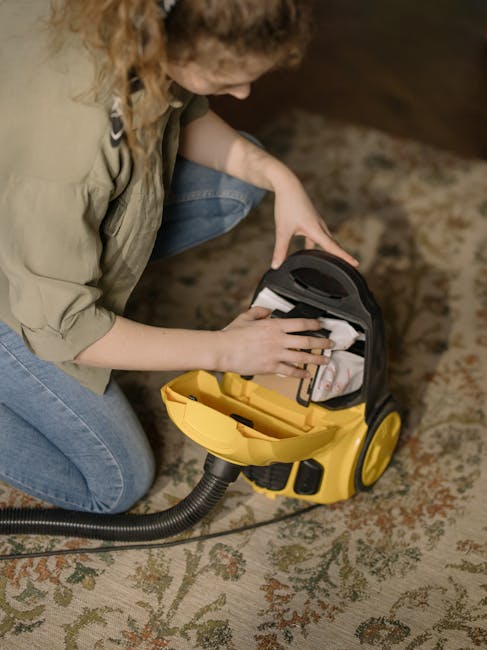
Deep cleaning matters because regular vacuuming only gets so far. It lifts loose debris, but it does not properly reach the compacted dirt inside the pile or the residues left by old cleaning products, drink spillages, and oils from everyday use. Over time, that build-up can flatten the carpet, affect indoor freshness, and make stains harder to shift later. In family homes, rentals, and shared properties alike, that's a headache nobody needs.
There's also a practical side. If you are preparing for a move, managing a letting end point, or freshening a property after a busy season, a deeper clean gives you a much better finish than spot cleaning alone. For many households, pairing carpet care with deep cleaning or one-off cleaning is simply the sensible route. It resets the room instead of chasing the same marks over and over.
Key takeaway: if carpets are starting to look grey in the traffic lanes, smell stale after damp weather, or keep showing stains you thought had gone, deep cleaning is less of a luxury and more of a maintenance step.
How Carpet deep cleaning near Streatham Common and Streatham Station Works
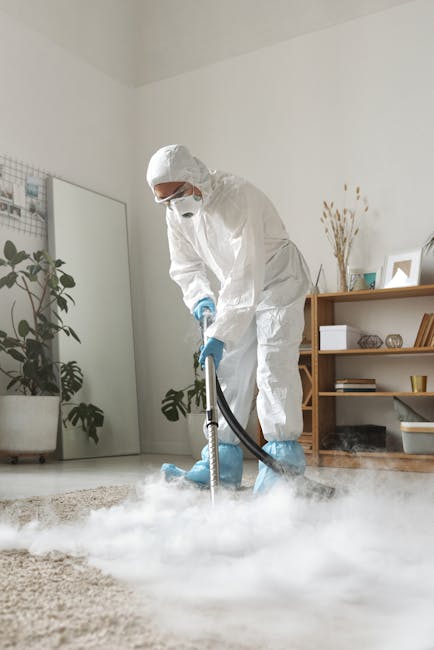
Deep carpet cleaning usually means a fuller, fibre-level clean rather than a quick shampoo or a spray-and-blot approach. The exact method depends on the carpet type, the amount of soil, and whether the issue is general grime, pet accident residue, or a specific stain. In many UK homes, hot water extraction is commonly used because it reaches deep into the pile and then removes loosened dirt with powerful extraction. People often call it steam cleaning, though that term is a bit loose in everyday conversation.
The process usually starts with inspection. A cleaner checks fibre type, backing, obvious wear, and problem areas like hallways, stairs, and under furniture. Then the carpet is pre-vacuumed, because lifting dry soil first makes a real difference. Next comes pre-treatment. This is where targeted solutions are applied to help break down grease, drinks, food marks, or protein-based spots such as pet accidents. After that, the chosen cleaning method is worked through the carpet carefully, followed by extraction, grooming, and drying advice.
That sounds technical, but the idea is simple: loosen the dirt, lift it out, and leave the fibres in a better condition than when you started. If a carpet has delicate wool fibres, strong colour variation, or signs of previous over-wetting, the process needs adjusting. There is no one-size-fits-all approach, despite what some quick ads may suggest. Carpets can be fussy. Honestly, a bit like people on a Monday morning.
For clients comparing service types, it helps to understand the difference between standard carpet cleaning and steam carpet cleaning. The first is the umbrella term; the second is one common method within it. Not every carpet needs the same treatment, and that is a good thing.
Key Benefits and Practical Advantages
People usually book a deep carpet clean for one obvious reason, but the benefits tend to stack up once the job is done. The room looks brighter. The air feels fresher. Foot traffic marks soften. That familiar "lived-in" look becomes more like "well-kept" again.
- Improved appearance: deep cleaning lifts embedded soil that vacuuming leaves behind, which often restores colour better than expected.
- Better freshness: carpets can hold onto odours from pets, spills, and general household use; a deeper clean helps reduce that stale background smell.
- Longer carpet life: gritty particles act like sandpaper underfoot, slowly wearing fibres down. Removing them protects the pile.
- Better hygiene: while not a magic wand, deep cleaning removes a lot more residue than regular maintenance alone.
- More comfortable living: clean carpets simply make a room feel calmer and more inviting. You notice it when you walk in.
In rental and sales scenarios, appearance matters even more. A carpet that looks cared for can improve the overall impression of a property, especially in a flat where flooring covers a large visual surface. Pairing the work with end of tenancy cleaning or move out cleaning is often a practical move when you want the place to present well without lingering marks from the previous routine.
There's also a quieter benefit: peace of mind. You stop glancing at the same patch near the sofa every evening and thinking, "I really should sort that." Then it's sorted. Small win, but a proper one.
Who This Is For and When It Makes Sense
Deep carpet cleaning is not only for dramatic spills or obvious stains. In practice, it suits a surprisingly wide range of people and properties.
- Busy households: families with kids, pets, or high footfall tend to need deeper refreshes more often.
- Renters and landlords: it helps bring carpets back to a presentable standard between tenancies.
- Homeowners: if you want the property to feel cleaner overall, carpets are one of the biggest levers you can pull.
- Commercial spaces: reception areas, small offices, and shared zones can collect grime fast, especially in busy buildings.
- Anyone tackling odour issues: pet smell, damp residue, and drink spill odours often sit deeper than the surface.
It makes sense when vacuuming no longer does the trick, when stains keep reappearing after drying, or when the carpet has a tired, flattened look. It also makes sense after building works, a long period of occupancy, or before guests arrive. If you host short-stay accommodation, combining services such as airbnb cleaning and carpet care can keep the place feeling properly reset between stays.
And if the room is part of a larger home-cleaning refresh, you might want to look at domestic cleaning or house cleaning as part of the wider plan. It's usually easier to tidy the whole picture instead of treating one corner in isolation.
Step-by-Step Guidance
If you are wondering what a good deep clean should look like from start to finish, here's the practical version. This is the bit that helps you judge quality, whether you are doing some prep yourself or checking what a provider will actually do on site.
- Identify the carpet type. Wool, synthetic, and blended fibres behave differently. Some tolerate moisture better; others need gentler chemistry.
- Clear the space. Move smaller items, fragile ornaments, and anything that might obstruct access. A bit of prep saves time later.
- Vacuum thoroughly. Dry soil has to go first. This is not a box-ticking exercise.
- Pre-treat the problem areas. Walkways, spots near entrances, and obvious stains need targeted attention.
- Test in a discreet area. This matters especially on older or colour-sensitive carpets. Better safe than sorry.
- Apply the chosen cleaning method. Hot water extraction, low-moisture cleaning, or another suitable method should be used according to the carpet.
- Extract and rinse properly. Leaving residue behind can attract dirt again, which is the opposite of what you want.
- Groom the pile if needed. This helps fibres dry more evenly and stand more neatly.
- Allow enough drying time. Open windows if conditions allow, maintain airflow, and keep foot traffic light until the carpet is ready.
A decent cleaner will explain what they are doing and why. That transparency is a good sign. If you hear very vague language and lots of rush, that's worth pausing over.
Expert Tips for Better Results
There are a few things that consistently improve outcomes, and most of them are simple. Not glamorous, just effective.
- Vacuum before the appointment. Even if the cleaner will vacuum again, arriving with less loose debris helps the deep clean work better.
- Treat spills early. The longer a stain sits, the more likely it is to bind with fibres or underlay.
- Keep chemistry appropriate. Stronger is not always better. The wrong product can leave residue or affect colour.
- Give drying room. A fan, ventilation, and some patience usually help more than constant walking across damp fibres.
- Ask about odour sources. If a room smells musty or like pet urine, a standard clean may not be enough on its own. You may need something more targeted, such as pet stain odour removal or a focused stain removal treatment.
One useful habit: take quick photos of stains before treatment. That way, you can judge whether the result is genuinely improved rather than relying on memory, which is annoyingly unreliable for these things.
Another good tip is to think beyond the carpet. If a room has a dusty sofa, heavy curtains, or a mattress holding onto old odours, the carpet clean alone may not fully reset the space. In those cases, adjacent services like sofa cleaning, curtain cleaning, or mattress cleaning can make the whole room feel noticeably fresher.
Common Mistakes to Avoid
A lot of carpet damage does not come from dirt. It comes from well-meant mistakes. Mildly annoying, but true.
- Using too much water: over-wetting can slow drying and may leave carpets looking patchy or feeling crunchy once dry.
- Scrubbing aggressively: that can distort fibres and push stains deeper rather than lift them.
- Skipping a test patch: especially on older carpets, this is asking for trouble.
- Choosing a method blindly: not every carpet is ideal for the same process.
- Ignoring the underlay or backing: sometimes the visible stain is only part of the problem.
- Walking on it too soon: a damp carpet and dirty shoes are not a clever combination.
There's also the assumption that every stain can be fully removed. Sometimes it can't. Dye transfer, bleach damage, and long-set marks may improve dramatically but not vanish. It's better to hear that upfront than be promised the moon and get a slightly cleaner carpet with no realism attached. Let's be fair, that happens a bit too often.
If the carpet has been affected by renovation dust or a post-project mess, you may need something broader than a standalone carpet clean. Pairing with after builders cleaning can help manage the fine dust that settles into soft furnishings and edges.
Tools, Resources and Recommendations
The best result usually depends on matching the right tools to the job. You do not need to become a carpet technician, of course, but knowing the basics helps you make better choices.
| Method | Best for | Pros | Considerations |
|---|---|---|---|
| Hot water extraction | General deep cleaning, traffic lanes, many synthetic carpets | Strong soil removal, good for fresher finish | Drying time matters; not ideal for every delicate fibre |
| Low-moisture cleaning | Quick turnaround, some commercial spaces, lighter soil | Faster drying, less disruption | May be less effective on heavy build-up |
| Targeted stain treatment | Specific marks, spot problems, odour zones | Focused and efficient | Needs correct identification of the stain |
| Protective maintenance | Post-clean upkeep | Helps keep carpets presentable for longer | Works best after a proper deep clean |
If you are comparing options, it's worth checking whether the provider explains fibre suitability, drying expectations, and stain-treatment limits clearly. That's part of the service, not an optional extra. You might also want to review pricing and quotes carefully so you understand what is included before you commit.
For people who want a broader cleaning plan, services such as regular cleaning, office cleaning, and communal area cleaning can all support a cleaner environment overall. The carpet is only one part of the story, after all.
Law, Compliance, Standards, or Best Practice
For carpet deep cleaning, the key point is less about heavy regulation and more about sensible compliance, safe handling, and good professional practice. In the UK, cleaners working in occupied homes or managed properties should take care with chemical use, equipment safety, and wet-floor risks. That sounds obvious, but obvious is often where mistakes hide.
Ask whether products are used according to manufacturer instructions and whether the cleaner can explain any precautions for children, pets, or people with sensitivities. If a property is shared, has fragile flooring transitions, or includes office equipment nearby, it is sensible to discuss access and working arrangements in advance. A professional approach should also include clear communication about insurance, health and safety, and the conditions of service. For that reason, documents like insurance and safety information, health and safety policy, and terms and conditions are not just formalities. They show how the provider thinks.
For households, the practical standard is simple: carpets should be cleaned with care, left safe to walk on once dry, and treated in a way that respects the material. For landlords and property managers, it is also wise to keep records of what was cleaned and when, especially during changeovers. Nothing dramatic. Just good housekeeping, really.
Options, Methods, or Comparison Table
Choosing the right carpet-cleaning option is often about balancing soil level, timing, carpet type, and disruption. Below is a simple comparison to help narrow it down.
| Option | When it works well | Typical strengths | Best avoided when |
|---|---|---|---|
| Routine vacuuming | Between deep cleans | Keeps dry soil under control | Carpets are visibly dull or stained |
| Spot treatment | Fresh spill or one isolated mark | Fast and targeted | There is widespread soiling |
| Deep carpet cleaning | General refresh, odours, traffic lanes, move-out prep | Broader reset, better appearance and freshness | Carpet is extremely delicate without a suitable method |
| Specialist stain or odour work | Pet accidents, stubborn spillages, lingering smell | Focused problem solving | The concern is only light surface dust |
If you are unsure, a quick consultation is often enough to point you in the right direction. A decent provider should tell you when a full deep clean is worthwhile and when a lighter treatment is perfectly adequate. That honesty matters more than a fancy pitch.
For some properties, carpet care is best handled alongside upholstery cleaning or rug cleaning, especially when fibres and odours are spreading across the room rather than staying in one place.
Case Study or Real-World Example
Here's a realistic example. A two-bedroom flat near Streatham Common had hall carpet wear, a faint damp smell by the entrance, and a few older coffee marks in the living room. Nothing dramatic, but the overall feel of the place had slipped. The owner had been vacuuming regularly, yet the carpet still looked flat and a bit tired by late afternoon light.
The first step was a careful inspection. The hallway was the worst area, which is common in homes with repeated coming and going. The cleaner focused on traffic lanes, treated the visible marks, and paid attention to areas near the front door where outdoor moisture had likely been dragged in. The living room needed more delicate work because the carpet was older and had some colour shading. The job wasn't about making it look brand new. That would have been unrealistic. It was about restoring freshness and improving the overall presentation.
After cleaning, the carpet looked noticeably brighter, the odour was reduced, and the room felt less heavy. The owner later said the biggest change was not only visual but behavioural: the flat simply felt more inviting to live in again. That happens quite often. People expect a cosmetic result and end up with a mood shift too. Slightly dramatic, maybe, but true.
If the property had also been hosting guests, a wider package such as move in cleaning or house cleaning would have made even more sense. Often, the carpet is the thing people notice first and the thing they remember longest.
Practical Checklist
Use this quick checklist before booking or carrying out a deep clean. Simple, but useful.
- Identify the carpet fibre and condition.
- Note any stains, odours, and high-traffic lanes.
- Check whether the room can be ventilated during drying.
- Move small furniture and fragile items out of the way.
- Decide whether you need targeted stain or odour treatment.
- Ask what method will be used and why.
- Confirm how long the carpet is likely to take to dry.
- Keep pets and children away until the area is safe and dry.
- Review any relevant service terms, safety notes, and pricing details.
- Plan your clean at a time when the room can be left undisturbed for a while.
Get a free quote today and see how much you can save.
Conclusion
Carpet deep cleaning near Streatham Common and Streatham Station is one of those services that makes more difference than people expect. It improves the look of a room, helps reduce odours, supports carpet life, and gives a home or property that properly cared-for feel again. If your carpet has started to look flat, smell stale, or hold onto stains that regular vacuuming cannot shift, it is probably time to take a closer look.
The best results usually come from the right method, honest expectations, and a bit of practical preparation. Nothing fancy. Just a thoughtful approach that matches the carpet in front of you. And once the room is fresh again, you will notice it every time you walk in. That's the good part.
For a service that fits neatly into your wider cleaning plans, you can also explore carpet cleaning, deep cleaning, or the broader support of about us if you want to know more about the team and approach behind the service.
Frequently Asked Questions
How often should carpets be deep cleaned?
It depends on use. Busy homes, pet households, and high-traffic properties may benefit from deeper cleaning more often than low-traffic spaces. If the carpet starts looking dull or smelling stale, that is a useful sign.
Is steam carpet cleaning the same as carpet deep cleaning?
Not exactly. Steam cleaning is one method used within carpet deep cleaning. Deep cleaning is the broader idea; steam or hot water extraction is one common way of doing it.
Will deep cleaning remove all stains?
Not always. Fresh stains and common spills often respond well, but dye damage, bleach marks, or very old stains may only improve rather than disappear completely.
How long does a carpet take to dry after deep cleaning?
Drying time varies with method, ventilation, room temperature, and carpet thickness. In practice, you should plan for some drying time and avoid heavy foot traffic until it is ready.
Can deep cleaning help with pet smells?
Yes, especially when the odour is in the carpet fibres or caused by repeated accidents. In stubborn cases, targeted treatment such as pet stain odour removal may be needed as part of the job.
Is deep carpet cleaning safe for wool carpets?
It can be, but the method needs to suit the fibre. Wool is more sensitive than many synthetics, so a gentle, well-judged process is important.
What should I do before the cleaner arrives?
Move small items, vacuum if possible, and point out stains, problem areas, or odours. A little preparation usually helps the service go more smoothly.
Is there a difference between residential and commercial carpet cleaning?
Yes. Commercial spaces often need faster turnaround, heavier-duty methods, and scheduling that fits around occupancy. For that reason, commercial carpet cleaning is usually planned differently from home cleaning.
Can I walk on the carpet straight away after cleaning?
It is better not to. Light access may be possible in some cases, but damp fibres and dirty footwear do not mix well. Wait until the carpet is properly dry.
Should deep cleaning be part of move-out preparation?
Very often, yes. It can help the property present better and supports a cleaner handover, especially when combined with move out cleaning or end of tenancy cleaning.
How do I know if I need stain removal instead of a full deep clean?
If the issue is one or two isolated marks, targeted stain work may be enough. If the carpet is generally dull, marked in several places, or carrying an overall smell, a full deep clean usually makes more sense.
What if my carpet has builders' dust or renovation residue?
Then it may need more than routine vacuuming. Fine dust settles into fibres and edges, so combining carpet work with after builders cleaning can give a better result.
How do I choose a trustworthy cleaning provider?
Look for clear explanations, sensible expectations, and straightforward service information. Good signs include transparent pricing, clear safety guidance, and a provider that talks plainly about methods rather than promising miracles. That's usually the right direction.
Can carpet cleaning be combined with other services?
Absolutely. Many people pair it with sofa cleaning, rug cleaning, or regular cleaning for a more complete refresh of the space.